
Buying a custom suit from an overseas workshop can work well, as long as you know three things before you pay: what you will owe in import duties and fees on delivery, how long making and shipping really take, and what happens if the suit doesn't fit. Ask every maker those questions in writing, and compare the answers along with the price.
We make every garment in our own workshop in Pakistan and ship to customers in the US, so this guide comes from our side of the counter. It explains how duties generally work, what the timeline looks like, and the questions worth asking any overseas tailor, with our own answers alongside so you can compare.
Import duties: who pays and how
Clothing imported into the US can be charged customs duty, and couriers can add their own fees for handling the customs entry. Some overseas sellers collect these at checkout; many, including us, ship with duties and taxes payable by the customer on delivery, where they are charged. Either way, the cost exists, so the question is only when you pay it and whether you knew in advance.
- What sets the amount: mainly the declared value of the order, what the garment is made of and how customs classifies it, and the country it was made in. Rates and rules change, sometimes several times a year.
- How it is collected: the courier usually contacts you before delivery or at the door, by email, text or a printed notice, and asks you to pay before handing over the parcel.
- What to do before ordering: for an estimate on a specific order, check with the courier that will deliver it or with a licensed customs broker. They can tell you the current rate for the garment and the fees they charge.
We don't quote duty rates ourselves because they depend on the order and change over time, and a wrong figure helps nobody. Our shipping information page explains how delivery works.
What the timeline really looks like
Overseas makers quote production and shipping separately, and the total is what matters. Ours is 2–3 weeks to make the garment, or 7–10 days with a rush order, followed by express courier delivery in 4–6 working days. Add a few days for the customs step and your own measuring, and a few weeks of buffer if the suit is for a wedding, so there is time for a remake if one is needed. Our wedding suit ordering timeline works backward from the date.
The questions to ask any overseas tailor
| Ask | Why it matters | Our answer |
|---|---|---|
| Who makes the garment, and where? | Some sites resell from third-party factories, which makes fit problems harder to fix. | Our own workshop in Pakistan. |
| Are duties and taxes included, or paid on delivery? | An unexpected bill at the door is the most common complaint about buying abroad. | Paid by you on delivery, where your country charges them. |
| How long to make, and how long to ship? | A single "delivery time" figure can hide a long production queue. | 2–3 weeks to make (7–10 days rush), then 4–6 working days by express courier. |
| What happens if it doesn't fit? | Made-to-order clothes usually can't be returned for change of mind, so the fit remedy is your protection. | Tell us within 30 days of delivery: one free remake per garment with shipping paid both ways, or up to $100 towards a local tailor. |
| Does a person check my measurements? | One mistyped number can ruin a garment before it is cut. | Yes. A tailor checks every set and contacts you if anything looks off. |
| Which measurements do you ask for? | Very short forms rely on guesswork; very long ones invite errors. | Shoulder, chest, waist, sleeve, hip, outseam, inseam, thigh and leg opening for suits. |
| Can I order a standard size instead? | Useful if you know your size well or can't measure accurately. | Yes, standard sizes or made to measure. |
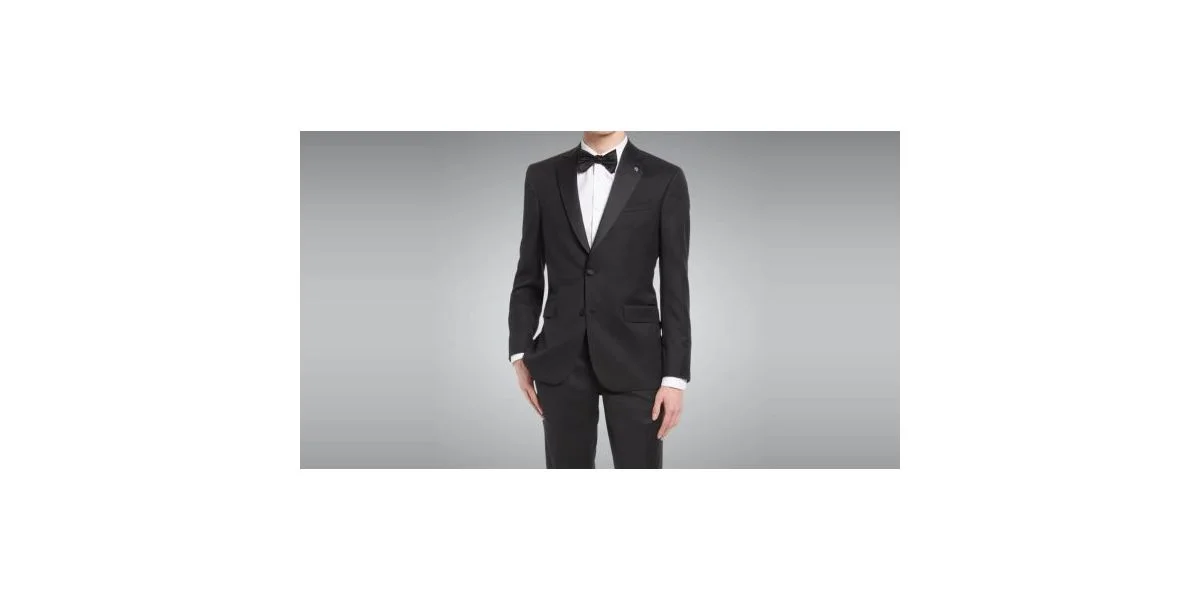
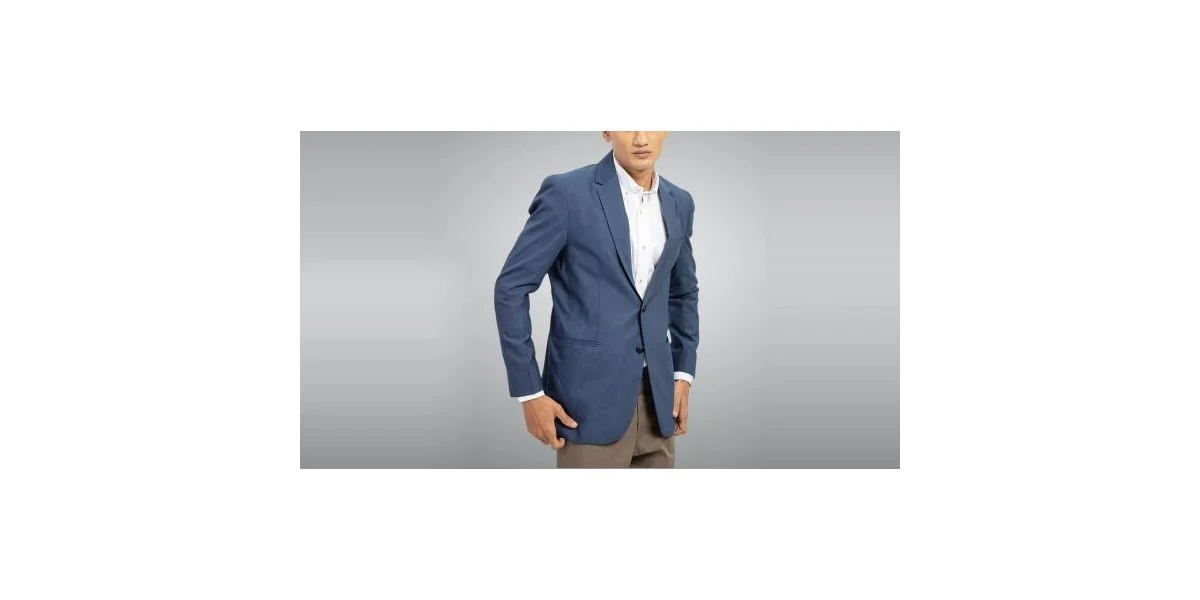
| What exactly can I customize? | "Custom" can mean anything from your size only to every detail. | Regular styles are as pictured; Design Your Own lets you choose fabric, lapels, pockets, vents and more. |
| How do I reach a person? | Questions come up mid-order, especially across time zones. | Email, at [email protected]. |
| Is shipping charged separately? | Courier shipping from overseas can be a large share of a small order. | Free standard shipping (7–10 days) on orders over $250; express is a paid option. |
The details of our process, from measurements to dispatch, are on the how it works page, and the fit remedy is set out in full on the Fit Promise page.
Red flags
- A promise that you will never pay anything at customs, with no explanation. Either the seller pays them and has priced them in, or the claim is wrong.
- Undervaluing the parcel to reduce duty. If a seller offers this, walk away: it is the buyer's shipment that gets held.
- No written fit policy. A promise made in a chat message is hard to rely on later.
- Calling made-to-measure "bespoke". Traditional bespoke means a pattern drafted for you and in-person fittings. A website order is made to measure, which can be excellent, but you should know which you are buying.
- Payment only by bank transfer or a payment app with no buyer protection.
Getting your measurements right from a distance
With no fitting room, your measurements do the work. Measure over a thin shirt, with someone else holding the tape, and take each one twice. Our size guide shows where each measurement starts and ends. If two numbers don't agree with each other, our tailor will email you before cutting rather than guess.
Questions
How much will I pay in duty on a suit from overseas?
It depends on the order's value, the fabric, how customs classifies the garment and current rules, which change. Ask the delivering courier or a customs broker for an estimate before you order.
Can I refuse the parcel if I don't want to pay the duty?
You can, but a refused made-to-order garment usually can't be resold, so sellers deduct their costs. If you refuse one of our parcels, for example because you don't want to pay the import duty, we refund the order minus the shipping, duty and return costs. Check the seller's policy before ordering, not at the door.
Is buying a suit from overseas safe?
It is as safe as the seller's policies. A written fit remedy, clear timelines, a real contact address and a card payment that offers buyer protection cover most of the risk.