For men, cocktail and semi-formal attire are close to the same thing: both call for a suit or a tailored jacket, a dress shirt and leather shoes. The difference is tone. Semi-formal leans traditional, with darker suits and a tie, while cocktail leans festive, with more freedom for color, texture and an open collar.
Many hosts write either term without a strict meaning in mind, so the useful skill is reading which way a particular invitation leans. This article covers only the differences; for full outfit advice, see our guides to cocktail attire for men and semi-formal attire for men.
Cocktail vs semi-formal, item by item
| Item | Cocktail | Semi-formal |
|---|---|---|
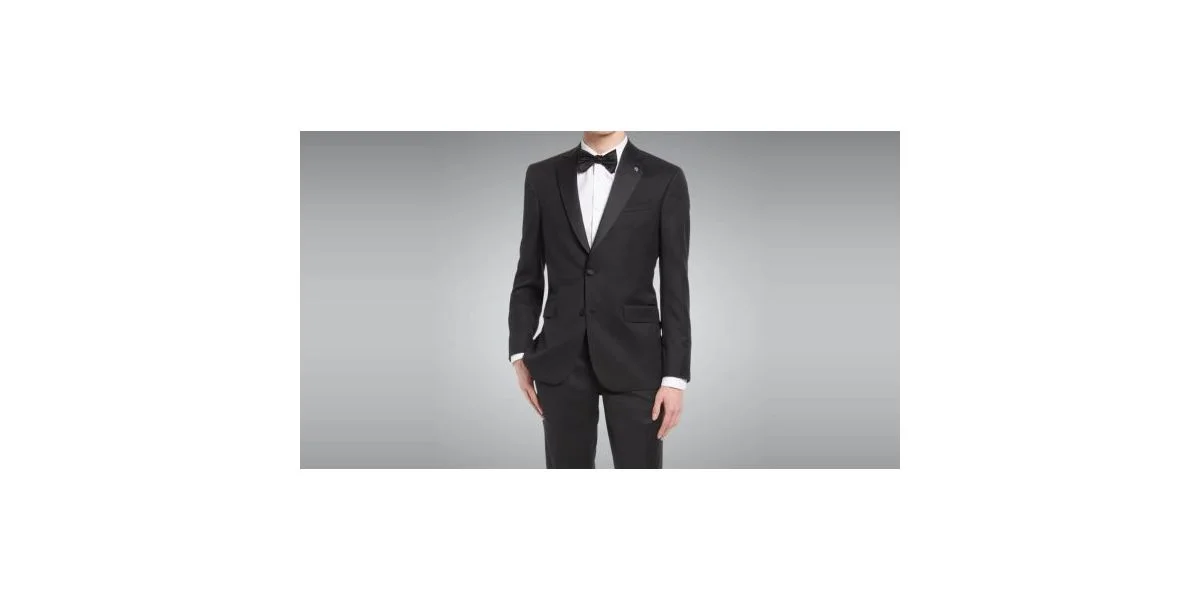
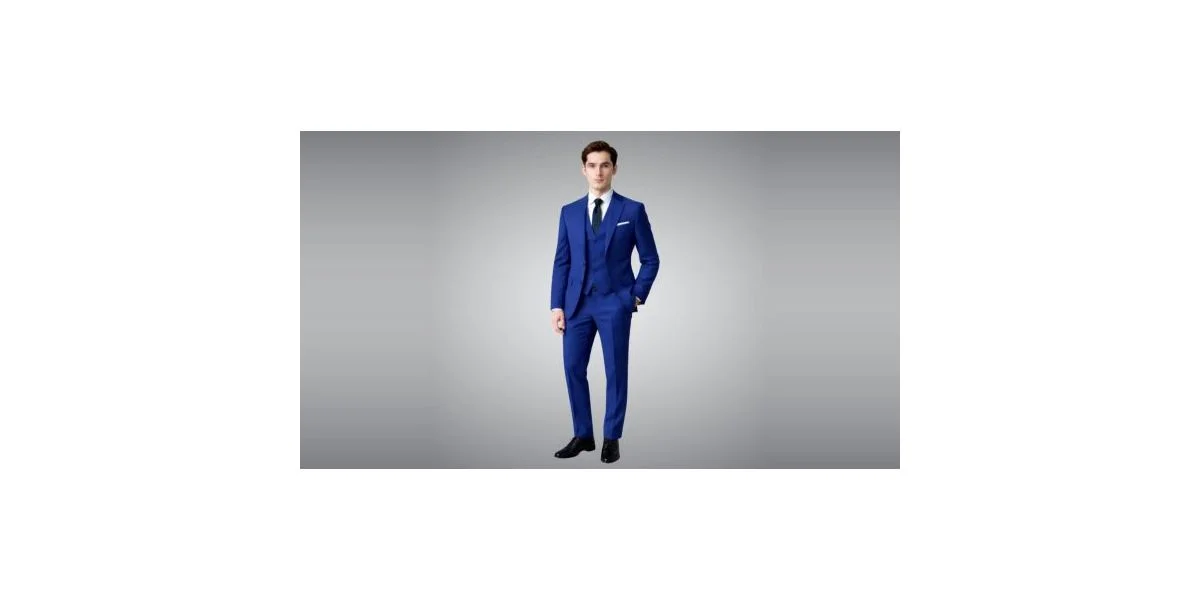
| Suit color | Any dark suit, plus mid-tones and colors: light grey, olive, royal blue, sky blue | Navy, charcoal, mid grey; black is acceptable in the evening |
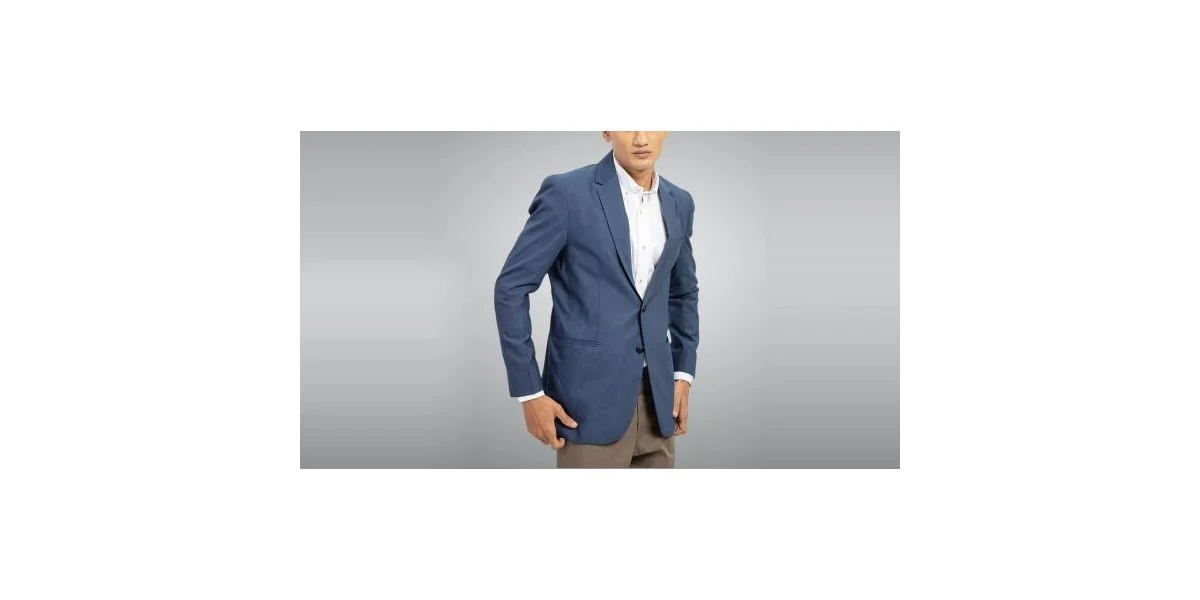
| Jacket and trousers | A blazer or sports coat with contrast trousers is fine | A matching suit is the norm; separates only at relaxed daytime events |
| Tie | Optional; a pocket square can replace it | Expected in the evening, often expected in the day |
| Shirt | White, light blue or a subtle pattern; open collar allowed | White or light blue, collar fastened under a tie |
| Shoes | Oxfords, derbies or dress loafers; brown or black | Oxfords or derbies; black after dark |
| Time of day | Usually evening, often starting 6 to 9 pm | Day or evening |
| Typical events | Parties, launches, receptions, celebrations | Dinners, ceremonies, award evenings, religious and civic events |
| Invitation wording | "Cocktail," "cocktail chic," "festive cocktail," "dressy" | "Semi-formal," "jacket and tie," "informal" (in British usage), "lounge suit" |
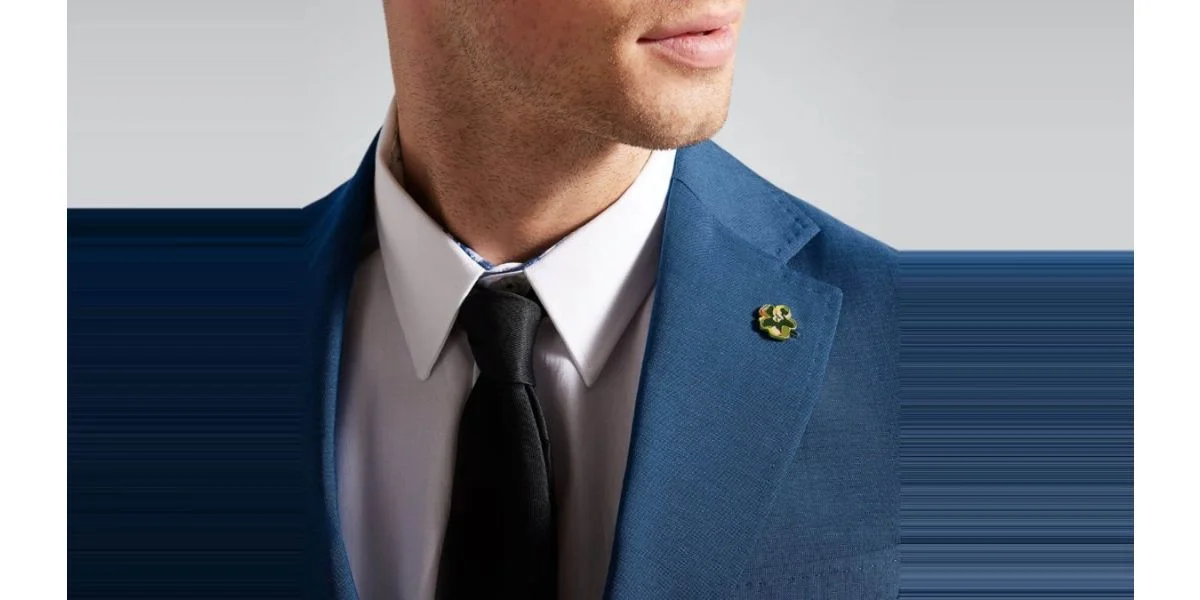
| Accessories | Bolder pocket square, a statement watch, patterned socks | White or muted pocket square, plain watch, socks that match the trousers |
Note the trap in the last-but-one row: on a British-style invitation "informal" means a suit, which surprises many American guests. Our occasions page has a dress-code chart that places both terms alongside black tie and business dress.
How to tell which way an invitation leans
When the wording alone does not settle it, these signals do. Work down the list; the first one that applies usually decides.
- Who is hosting. An employer, a professional body or a religious community points to semi-formal. A friend's birthday or a brand launch points to cocktail.
- Where it is. A banquet hall, hotel dining room or place of worship reads semi-formal. A bar, rooftop, gallery or private home reads cocktail.
- When it starts. Evening start plus a seated meal leans semi-formal. Evening start with drinks and standing conversation leans cocktail.
- What the invitation looks like. A printed card in plain type suggests the traditional reading; a playful digital invite suggests the festive one.
- What other guests are wearing. If photos from last year's event exist, look at them. It is the most reliable signal there is.
One outfit that covers both
If you cannot decide, or you only want to own one outfit for both codes, wear a navy or charcoal two-piece suit, a white shirt and black oxfords, and carry a tie in your inside pocket. Put the tie on at a semi-formal event; leave it off at a cocktail party and add a pocket square. A charcoal gray suit handles both codes and most seasons.
The trade-off is personality. The single suit is always appropriate, never memorable. If you go to more cocktail events than dinners, a second suit in a mid-tone or color earns its place quickly. If most of your invitations are dinners and ceremonies, add a second white shirt and a darker tie before you add a second suit.
Where men get it wrong
- Dressing down for cocktail. "Cocktail" sounds casual to some guests. It still means a jacket; chinos with a polo shirt are below the line.
- Dressing up for semi-formal. A tuxedo at a semi-formal event is too much, even in the evening.
- Treating color as the only difference. A navy suit is fine at a cocktail party. What moves it into cocktail is how it is styled: open collar, a brighter square, loafers.
- Letting the season decide the code. A summer semi-formal dinner can take a lighter grey or blue suit, and a winter cocktail party can take charcoal. The season changes the shade and the weight of the cloth; the tie and shoe rules in the table above stay the same.
- Ignoring fit. Both codes depend on a suit that fits through the shoulders and sleeves. Our size guide explains how to measure if you want the suit made to your measurements.
Questions
Is semi-formal more formal than cocktail?
Slightly, in most American usage. Semi-formal keeps the tie and the darker colors; cocktail lets you drop the tie and add color. Both sit below black tie and above business casual.
Can I wear the same suit to both?
Yes. A navy or charcoal suit is correct for either. Change the shirt, tie and pocket square to shift it between the two codes.
What does "cocktail chic" or "dressy casual" mean?
"Cocktail chic" is cocktail with an invitation to show some style: a colored suit or a statement jacket. "Dressy casual" is a step below both codes, where a blazer with good trousers and no tie is enough.