Choose your wedding suit by the formality and time of your wedding first, then the season and venue, then the fit. An evening or black-tie wedding calls for a tuxedo; a daytime, garden or beach wedding calls for a suit. Whatever you choose, it has to fit you properly in photographs, and if it is made to order, it needs to be ordered 8–10 weeks before the wedding.
This guide walks through each decision in order, with a timeline from engagement to wedding day, colors by season and venue, and how to coordinate the groomsmen.
Step 1: Set the formality
Your outfit sets the tone for the whole wedding party, so decide formality early, ideally when you book the venue. Three levels cover almost every wedding:
- Black tie (evening, formal venue): a tuxedo with a bow tie, white dress shirt and black shoes.
- Formal but not black tie (church, hotel, evening reception): a dark suit, a three-piece suit, or a tuxedo worn with a long tie.
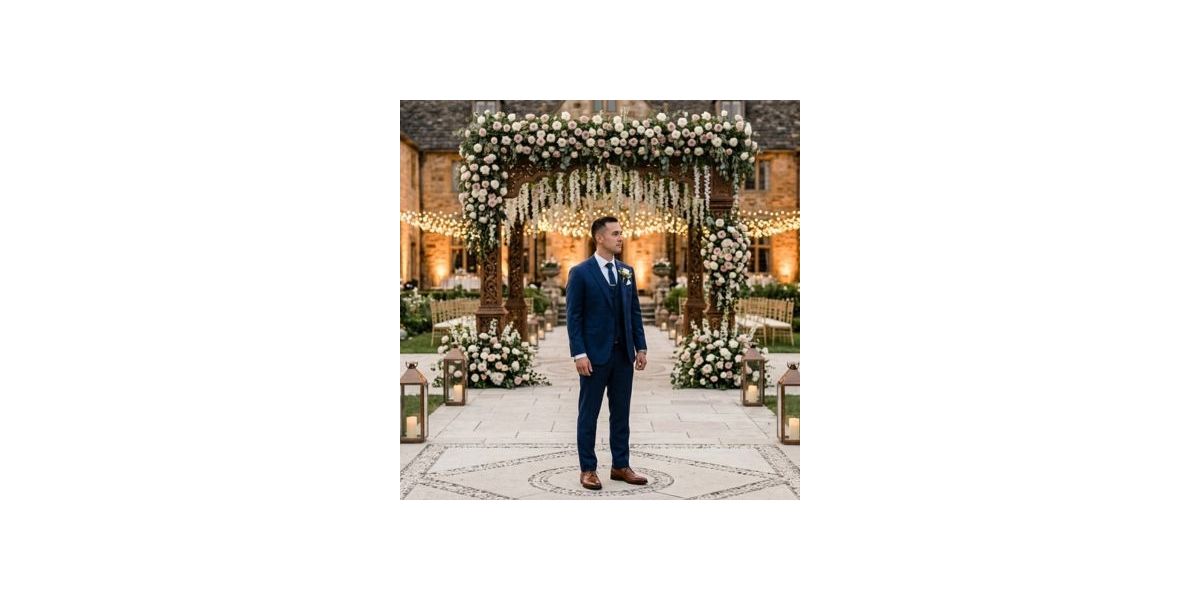
- Semi-formal or relaxed (daytime, garden, barn, beach): a two-piece suit in a lighter color or cloth.
Step 2: Suit or tuxedo?
| Choose a tuxedo if… | Choose a suit if… |
|---|---|
| The invitation says black tie or black tie optional | The ceremony is in the daytime |
| The ceremony or reception starts in the evening | The venue is outdoors, rustic or on a beach |
| The venue is a ballroom, hotel or formal hall | You want to wear it again for work or other weddings |
| You want the most classic wedding photos | You want color, pattern or a more relaxed look |
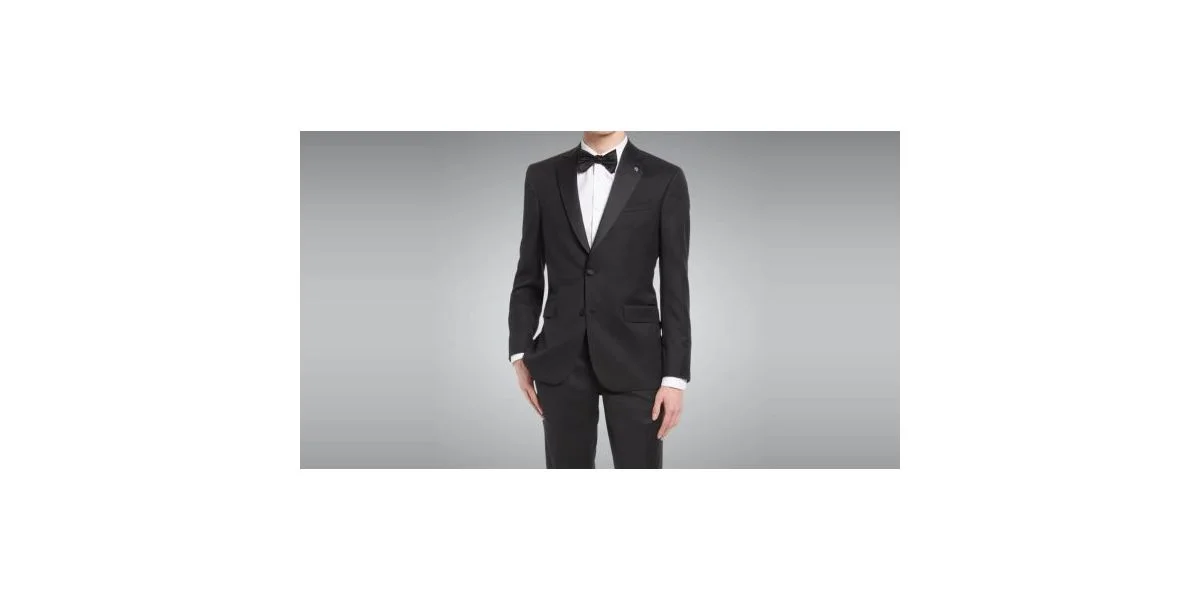
A tuxedo differs from a suit in its faced lapels, covered buttons and trouser stripe; our guide to tuxedo vs suit explains the details. If you are torn, there are in-between options: a midnight blue tuxedo reads as formal but softer than black, and a white dinner jacket is the traditional choice for a warm-weather evening wedding.
Two-piece, three-piece or tuxedo
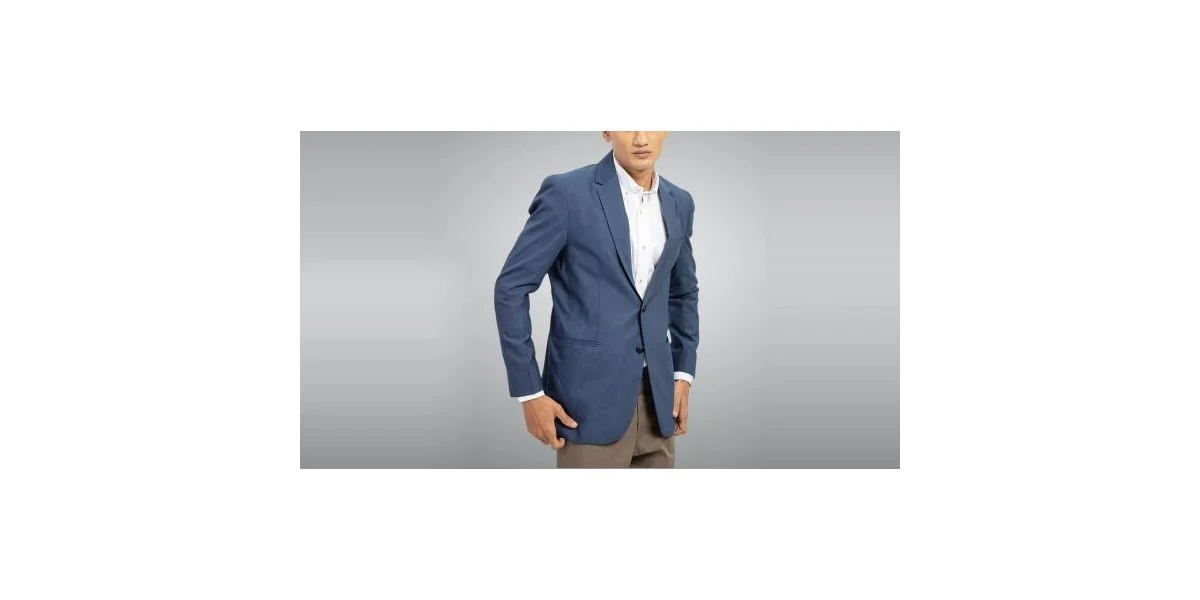
- Two-piece suit: jacket and trousers. The most versatile choice for daytime and semi-formal weddings, and the easiest to wear again.
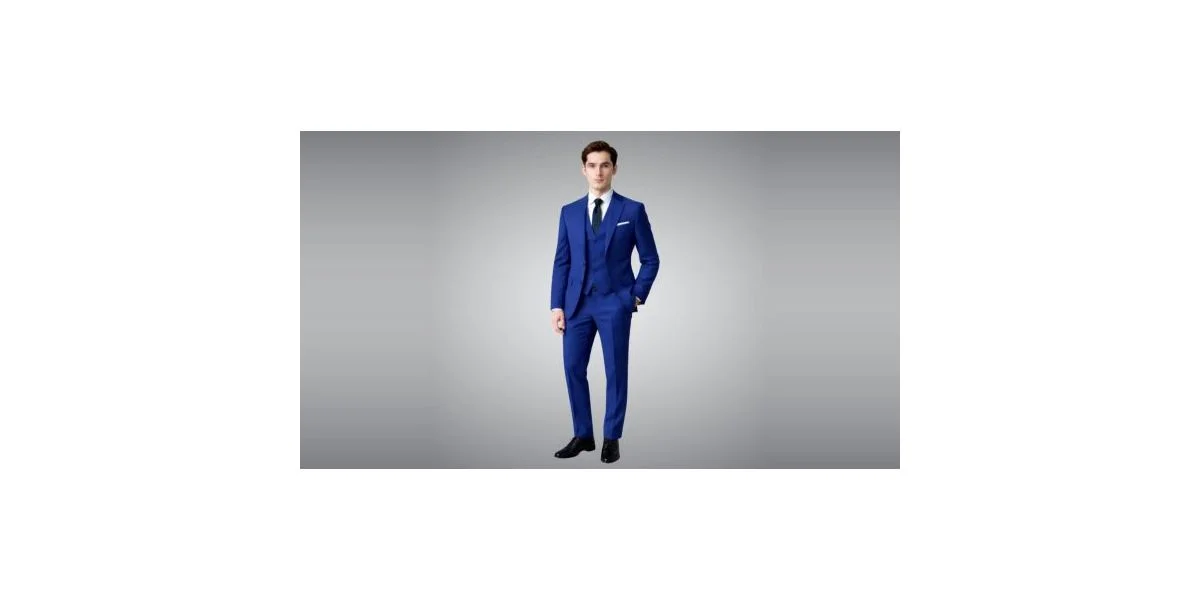
- Three-piece suit: adds a matching waistcoat. More formal and structured, good for church ceremonies and cooler months, and it still looks finished when you take the jacket off at the reception.
- Tuxedo: the formal evening option, worn with a cummerbund or a low-cut waistcoat.
Step 3: Pick the color for your season and venue
| Season or venue | Colors that work | Notes |
|---|---|---|
| Spring, garden | Light gray, navy, tan | Lighter colors suit daylight photos |
| Summer, beach or destination | Tan, light gray, white dinner jacket for evening | Choose a lighter cloth and skip the waistcoat in heat |
| Fall, rustic or barn | Charcoal, brown, forest green, burgundy | Earth tones pair with brown shoes |
| Winter, evening | Black, midnight blue, charcoal | A three-piece suit or tuxedo keeps you warm and formal |
| Ballroom, black tie (any season) | Black or midnight blue tuxedo | White dinner jacket for a summer evening |
| Church, city hall | Navy, charcoal, dark gray | Safe in any light and any season |
Navy is the one color that works almost everywhere: day or evening, spring to fall, with black or brown shoes. Our navy blue wedding tuxedo and dark gray wedding tuxedo are two of the most popular starting points. If you want to choose the cloth and details yourself, Design Your Own Suit offers 33 fabrics, including several plain wool blends and pure wool cloths.
Match your outfit to the wedding palette with small details rather than the suit itself: a burgundy pocket square with navy, silver accessories with charcoal, sage green with tan. Matching doesn't mean identical.
Step 4: Get the fit right
Fit matters more than brand or price. In wedding photos, a jacket that is too big in the shoulders or sleeves that cover your shirt cuffs show immediately. Check that:
- The shoulder seam sits at the edge of your shoulder, with no dent or overhang.
- The buttoned jacket lies flat, without an X-shaped pull at the button.
- A little shirt cuff shows below the sleeve.
- The jacket covers your seat.
- The trousers have a slight break or none, with no pooling at the shoe.
- You can sit, raise a glass and dance without the jacket riding up.
Made to measure takes most of the guesswork out. You enter your own body measurements, and a tailor checks them before cutting. Our guide to measuring for a suit or tuxedo explains every field. If you plan to lose or gain weight before the wedding, measure as you are now and keep changes small: a local tailor can usually take in a waist, but not rebuild a jacket.
Step 5: Plan the timeline
A made-to-order tuxedo or suit from Tuxedo Attire takes 2–3 weeks to make, then ships by express courier in 4–6 working days. We still recommend ordering 8–10 weeks before the wedding, because that leaves time to try it on, visit a local tailor for small tweaks and, if needed, have it remade under our fit promise.
| When | What to do |
|---|---|
| 9–12 months before | Book the venue, set the formality and dress code |
| 6 months before | Decide suit or tuxedo, color and style; agree the look for the groomsmen |
| 4 months before | Send groomsmen the product link, the size guide and a deadline for their measurements |
| 10 weeks before | Ideal time to order the groom's outfit and the groomsmen's |
| 8 weeks before | Latest comfortable order date; after this, use the rush option (made in 7–10 days) and expect less buffer |
| 4–5 weeks before | Delivery. Try everything on with your shirt and shoes the day it arrives |
| 3 weeks before | Any local alterations; report fit problems straight away |
| Wedding week | Steam the suit, pack the accessories, hang it somewhere safe |
Example order-by dates:
| Wedding date | Ideal order date (10 weeks) | Latest comfortable (8 weeks) |
|---|---|---|
| May 22, 2027 | March 13, 2027 | March 27, 2027 |
| June 12, 2027 | April 3, 2027 | April 17, 2027 |
| September 25, 2027 | July 17, 2027 | July 31, 2027 |
| October 16, 2027 | August 7, 2027 | August 21, 2027 |
The full step-by-step is on our how it works page. Remember that import duties and taxes, where your country charges them, are paid on delivery.
Step 6: Coordinate the groomsmen
There are two common approaches. Fully matched groomsmen wear the same suit or tuxedo, with the groom set apart by a different jacket, waistcoat, tie or boutonniere. Coordinated groomsmen wear different shades of one color, such as navy, charcoal and gray, tied together by matching ties and pocket squares.
With made-to-order garments, organization matters more than with rentals:
- Choose one product and send every groomsman the same link.
- Each groomsman measures himself with the size guide (or picks a standard size) and orders with his own measurements.
- Set a measurement deadline about two weeks before your own order-by date, so late groomsmen don't hold up the group.
- Ask everyone to put the wedding date in the Order Instructions box.
- Out-of-town groomsmen should order to their own address, so they can try the suit on and use a local tailor if needed.
Ordering for a whole party? Email [email protected] before you order, with the wedding date and the product, so we can plan the timing.
Step 7: Personal touches and accessories
Small details make a wedding suit yours. The photo lining suit prints a photo you upload on the jacket lining, with optional short text such as your names or the date. Our regular suits and tuxedos offer a free tie and pocket square and a free personalized lapel pin as add-ons; the product page shows what each one includes.
For a tuxedo, finish with a white pleated tuxedo shirt, a black bow tie and polished black dress shoes. For a suit, a crisp white or pale blue shirt, a tie in the wedding palette and a pocket square are enough.
Mistakes grooms make (and how to avoid them)
- Ordering too late. The most common problem. A made-to-order garment that arrives two weeks before the wedding leaves no room to fix anything. Work back from the date and order 8–10 weeks ahead.
- Dressing for the trend, not the venue. A heavy black tuxedo at a midday beach ceremony or a light tan suit in a candlelit ballroom will look wrong in every photo. Let the time of day and the venue lead.
- Guessing measurements. Measuring over a sweater, or adding "a bit extra" for comfort, makes the garment too big. Measure your body as described in the size guide; room for movement is added for you.
- Skipping the try-on. Try everything on the day it arrives, with the shirt and shoes you will wear, and sit, reach and walk in it. Fit problems must be reported within 30 days of delivery; the fit promise then covers one free remake per garment or up to $100 towards a local tailor.
- Forgetting the small things. Cufflinks, studs, socks, a belt or braces, and a steamer for the morning. Pack them with the suit.
Questions
When should the groom order his wedding suit?
For a made-to-order suit or tuxedo, 8–10 weeks before the wedding. For a traditional bespoke suit with fittings, tailors usually ask for several months.
Should the groom match the groomsmen?
He doesn't have to. Most grooms wear the same color family but stand out with a different jacket, waistcoat, tie or a white dinner jacket.
Can the groom wear a suit instead of a tuxedo?
Yes, unless the invitation says black tie. A dark navy or charcoal suit is correct for most daytime and semi-formal weddings.
Browse all wedding tuxedos and groom suits, or see our full range of custom tuxedos.