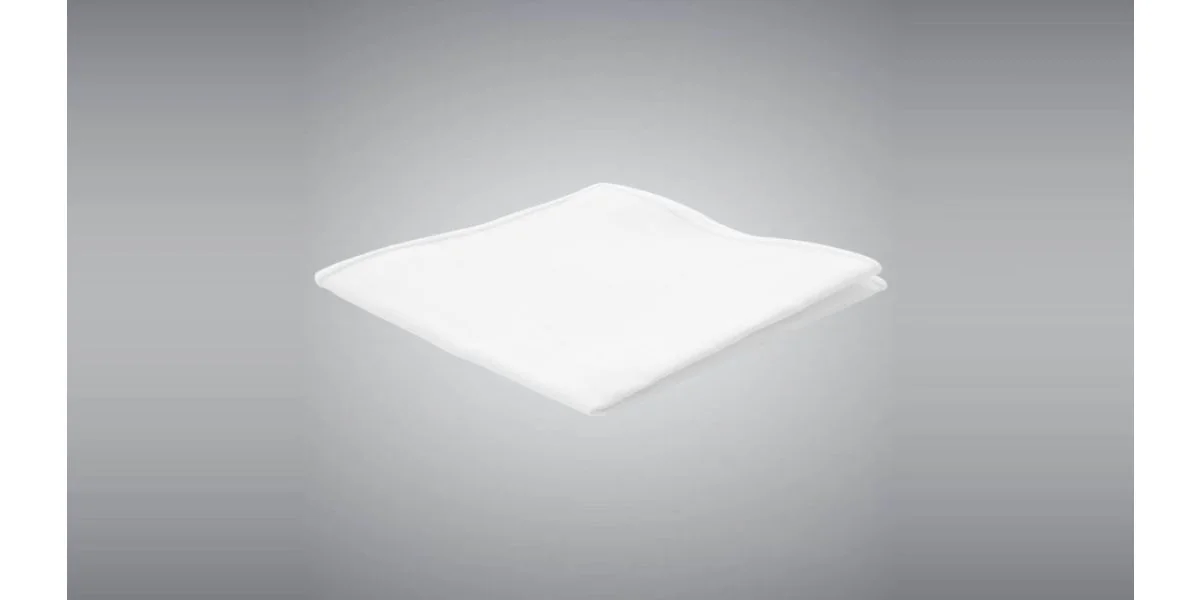
To fold a pocket square, lay it flat, fold it to the width of your breast pocket, then shape the top edge: a straight line for the presidential fold, one or more triangles for point folds, or a soft rounded top for a puff. For a wedding or black tie, the flat presidential fold in white is the safest choice; point folds and puffs work best when the dress code relaxes.
The five folds below cover almost every formal event a man will attend. Each has its own step list, and the table tells you which one to use where.
Which fold for which dress code
| Fold | Look | Black tie | Formal wedding | Cocktail or party | Business | Best fabric |
|---|---|---|---|---|---|---|
| Presidential (flat) | Straight strip about half an inch above the pocket | Best choice | Best choice | Fine | Best choice | Cotton or linen, pressed |
| One-point | Single triangle | Good | Good | Good | Good | Cotton, linen or silk |
| Two-point | Two staggered triangles | Acceptable | Good | Good | Too busy | Cotton or linen |
| Three-point (crown) | Three peaks, like a crown | Avoid | Good for the groom | Best choice | Avoid | Crisp cotton or linen |
| Puff | Soft rounded billow | Acceptable in silk | Good | Best choice | Acceptable | Silk |
The fabric column matters more than people expect. Crisp cotton and linen hold sharp edges and points; silk is slippery and won't keep a crease, which is why it makes the best puff and the worst presidential fold.
1. The presidential fold
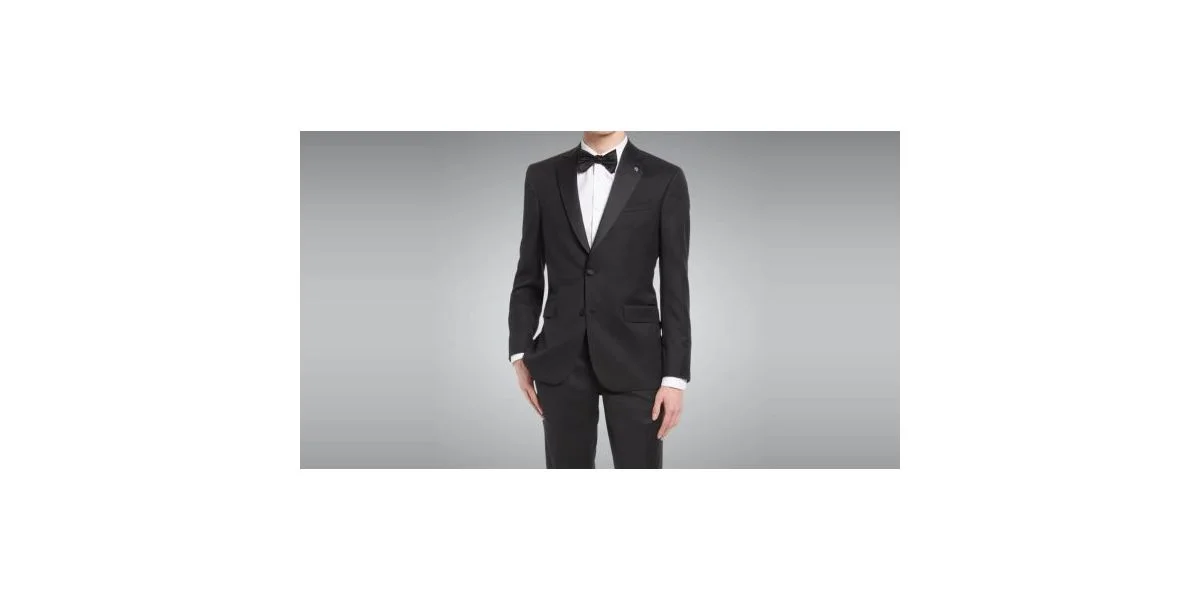
This is the classic black-tie fold: a clean white strip parallel to the pocket opening. It is the fold to use with a tuxedo if you are unsure.
- Lay the square flat and fold it in half from left to right.
- Fold it in half again from bottom to top, so you have a quarter-size square.
- Fold the right side in until the width matches your pocket opening, minus about half an inch.
- Fold the bottom up so the height sits about half an inch above the pocket when tucked.
- Slide it in, folded edge up, and check the top is level with the pocket welt.
2. The one-point fold
A single triangle peak. It looks slightly more relaxed than the presidential fold but is still formal enough for a ceremony.
- Lay the square flat as a diamond, one corner pointing up.
- Fold the bottom corner up to just below the top corner, leaving a small gap.
- Fold the left and right sides in so the width matches your pocket.
- Fold the bottom up to set the height, then tuck it in with the point centered or angled slightly toward your shoulder.
3. The two-point fold
Two peaks, staggered side by side. It suits a wedding guest or a groomsman at a less formal reception.
- Start with the square as a diamond.
- Fold the bottom corner up, placing it slightly to the right of the top corner so two peaks show.
- Fold the left side in, then the right side in, keeping both points visible.
- Fold the bottom up to fit the pocket depth and tuck.
4. The three-point (crown) fold
Three peaks fanned across the pocket. It is the most decorative of the point folds and reads as a party look. A groom can carry it off at his own wedding when he wants to stand out from the groomsmen.
- Fold the square in half diagonally into a triangle, point up.
- Fold the bottom-left corner up to the right of the top point, making a second peak.
- Fold the bottom-right corner up to the left of the top point, making a third peak.
- Fold the two sides behind to match your pocket width, then fold the bottom up and tuck.
5. The puff fold
No points and no hard edges: a soft dome of fabric. It is the easiest fold to do and the hardest to get exactly the same twice, which is part of its appeal.
- Lay the square flat and pinch it at the center.
- Lift it, letting the corners hang down.
- Gather the hanging fabric loosely in your other hand about halfway down.
- Fold the loose corners up behind the puff and tuck the gathered end into the pocket.
- Adjust with your fingers until the top is rounded and sits just above the pocket.
Five mistakes to avoid
- Too much fabric showing. Half an inch for flat folds and about an inch for points or a puff is enough.
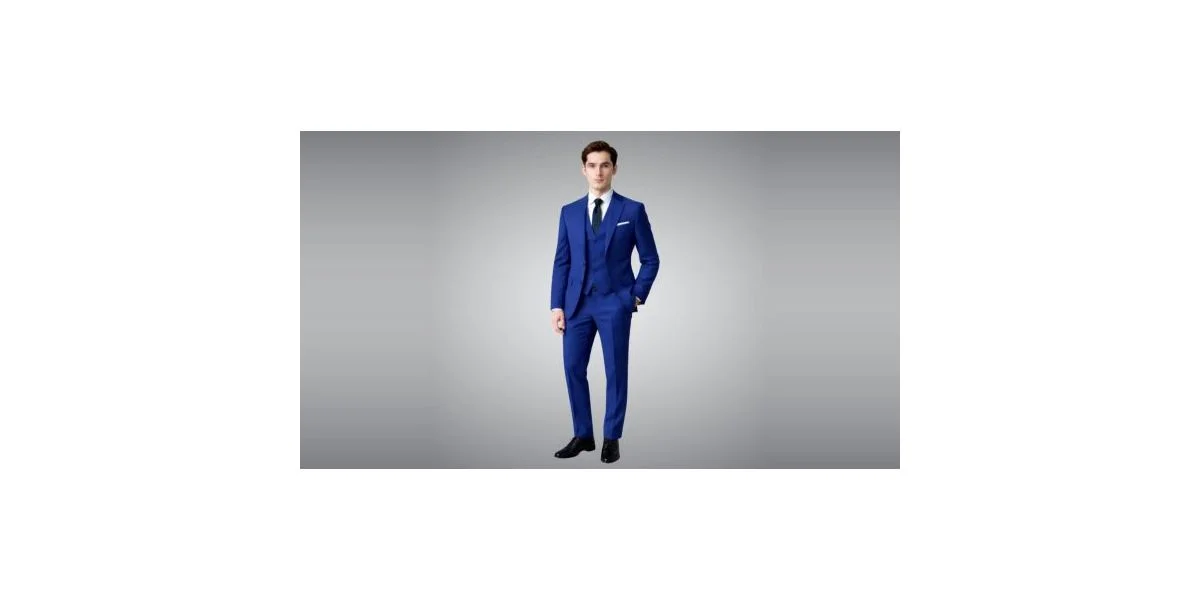
- Matching the tie exactly. A pocket square cut from the same print as your tie looks like a boxed gift set. Pick a square that complements the tie.
- A square that sinks. If it slides down during the evening, fold the base up once more to add bulk, or use a heavier square.
- Folding on the jacket. Fold on a flat surface, then tuck. Shaping it inside the pocket wrinkles the fabric.
- Ignoring the photos. At a wedding, set the fold before the first photo and check it again after hugs and the first dance.
White or black?
White is the default for black tie and weddings because it repeats the shirt and keeps the chest clean. A white pocket square works with every tuxedo and every suit color we make. A black pocket square is the choice when you want a quieter look: with a charcoal or light gray suit, or with an ivory dinner jacket, where it echoes a black bow tie. You will find both in our pocket squares collection. Our regular tuxedos and suits come with a free tie and pocket square, so check what is included before you order extras.
If you are planning the full outfit, the black tie checklist covers everything else that should be in place, and our guide to the white dinner jacket explains how to dress one for a summer evening.
Questions
Which pocket square fold is most formal?
The presidential fold in white is the most formal. It is the traditional choice with a tuxedo and works at any black-tie event, wedding or business dinner.
Should the groom's pocket square match the groomsmen's?
It doesn't have to. Many grooms keep the same color as the groomsmen and change the fold, for example a three-point fold for the groom and a presidential fold for everyone else, which marks him out without breaking the look.
Can I wear a pocket square with a boutonniere?
Yes, but keep the square small and flat. The boutonniere goes on the lapel and the square sits in the breast pocket below it, so a big puff fights with the flower. A presidential or one-point fold leaves room for both.