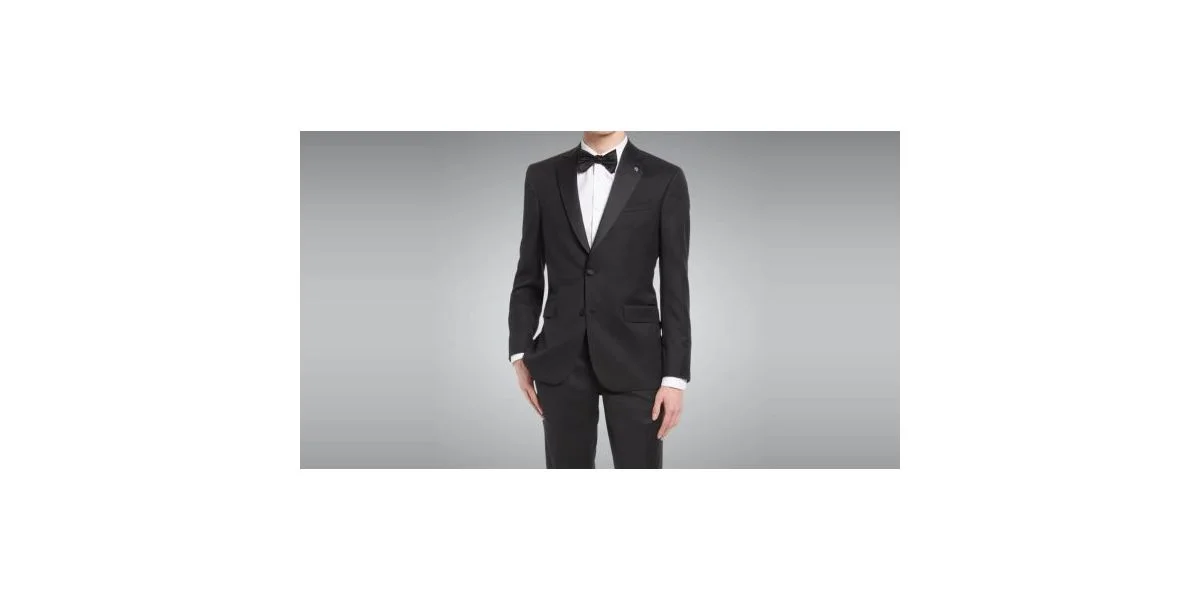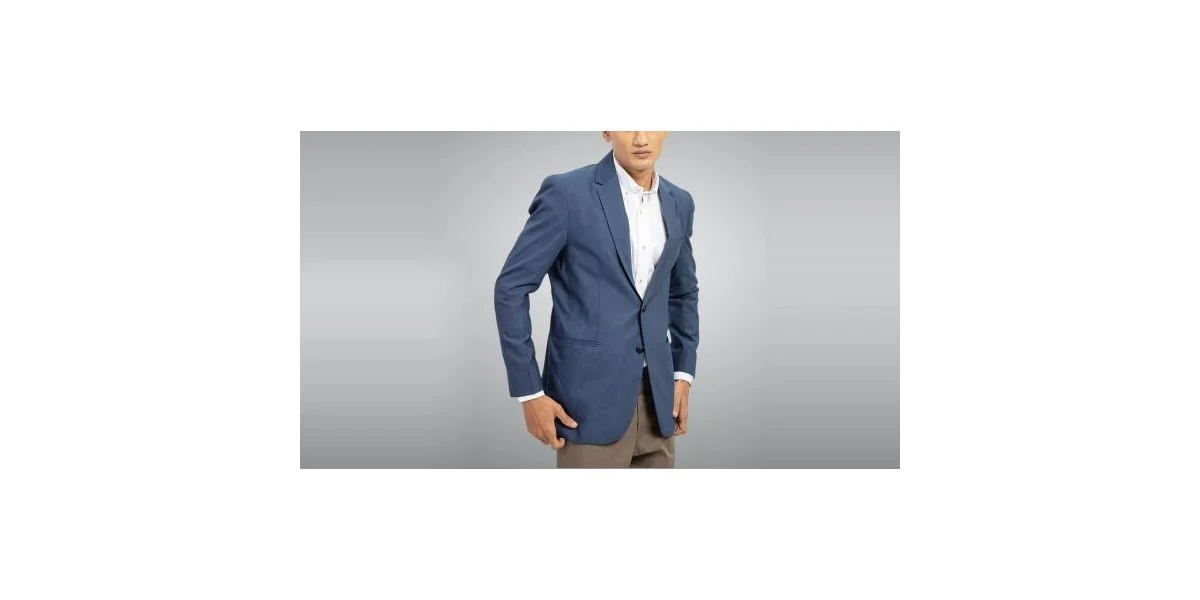
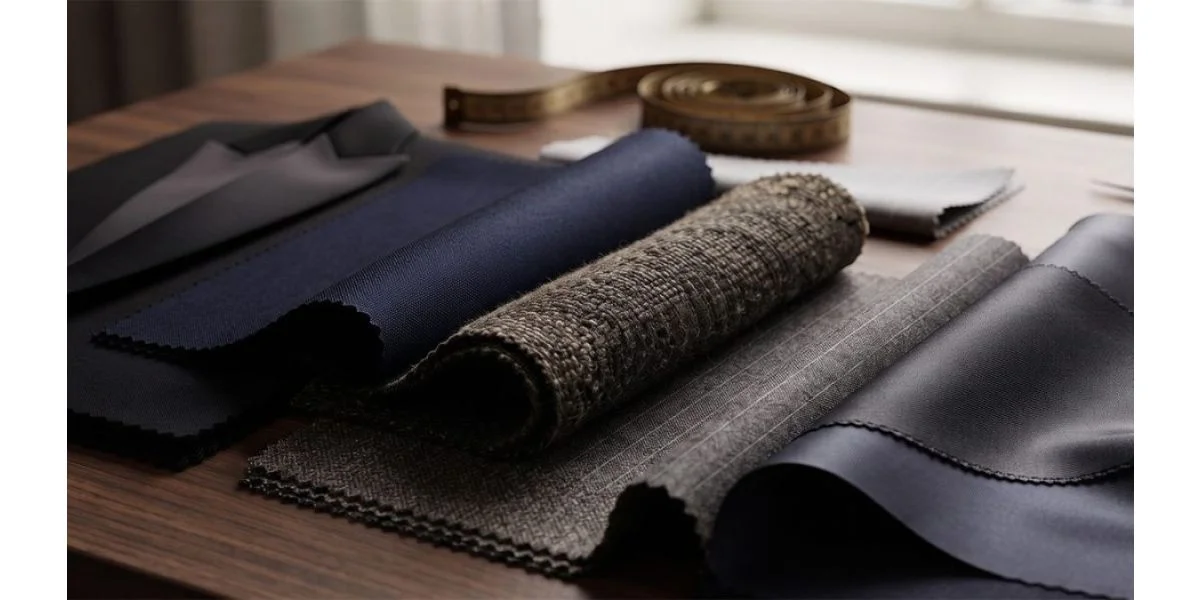
Wool is the better suit cloth for most men: it breathes, drapes well, resists creasing and lasts for years with simple care. Polyester costs less and holds a crease in the trouser, but it traps heat, develops a shine and can't be pressed hard. Wool blends sit between the two, trading a little of wool's comfort for lower cost and extra durability. If you will wear the suit often or for a long day, choose wool or a wool-rich blend.
How the cloths compare
| Cloth | Breathability | Wrinkles | Sheen | Care | Best for |
|---|---|---|---|---|---|
| Pure wool | High; wicks moisture and stays comfortable indoors and out | Creases fall out overnight on a hanger | Matte to soft luster; finer grades have more | Brush, hang, steam; dry clean sparingly | Suits worn often, weddings, all-day events |
| Wool blend | Good, depends on the blend | Good recovery | Low to moderate | As wool | Everyday suits, travel, value |
| Poly-wool | Moderate | Resists creasing; holds trouser creases well | Can shine with wear and hard pressing | Easy; avoid a hot iron directly on the cloth | Trousers, hard-wearing work suits |
| Polyester | Low; feels warm and can feel clammy | Resists creasing but sets hard folds if crushed | Often shiny; shine increases with pressing | Easy to clean; heat can mark it permanently | Costume, one-off or very low-budget wear |
| Cotton | High | Creases easily | Matte | Easy | Casual trousers, summer daytime |
| Linen-wool mixes | Very high | Creases more than wool, less than pure linen | Matte, textured | As wool | Warm-weather jackets and suits |
What Super 100s, 120s and 140s mean
A Super number describes how fine the wool fibers are. The higher the number, the finer the fiber, so a Super 140s cloth is finer than a Super 100s. Finer wool feels softer, drapes more fluidly and has a little more natural luster.
Higher is not automatically better. Very fine cloths are more delicate: they crease more easily, wear faster at the elbows and seat, and need more careful handling. For a suit you will wear every week, a Super 100s to 120s range is the usual balance between softness and durability. A Super 140s or finer cloth suits occasion wear, such as a wedding suit or evening suit, where luxury matters more than wear resistance. The number says nothing about the weight of the cloth, which matters as much for warmth.
How to choose for your occasion
- Wedding or all-day event: pure wool or a wool-rich cloth. You will be in it for ten hours, under lights, indoors and out.
- Work suit worn weekly: pure wool in the Super 100s range, or a sturdy wool blend.
- Frequent travel: a wool blend that recovers well from packing.
- Hot climate or summer: a lighter-weight wool or a linen-wool mix; avoid polyester.
- One night only: almost anything works, but polyester shows its shine in flash photography.
Reading our cloth names
When you design your own suit, you choose from 33 suiting cloths. Each name states what the cloth is, and we don't add fiber percentages beyond what the name gives:
- Pure wool, with a Super number: for example S 100s and S 140s pure wool suitings, in plain black, midnight blue and silver grey and in navy checks.
- Wool rich: a plain black premium suiting.
- Wool blend: most of the range, in plain colors, glen plaids, windowpanes and textured weaves.
- Wool blend / poly wool: several plain tropical suitings in black, greys and brown.
For jackets and waistcoats, Design Your Own Jacket adds an S 80s merino wool serge, worsted flannels, worsted tweed checks and linen-wool cloths. Our ready-styled suits are made in the cloth shown in the photos; where the product name states the cloth, that is what you get. See the fabric guide for more on each family.
Telling cloths apart in a store
Labels tell you the fiber, but your hands tell you a lot too. Squeeze a fold of the cloth tightly for a few seconds and let go: wool springs back with only soft creases, while a polyester-heavy cloth either holds sharp creases or feels slippery and springy. Hold it under a bright light: a strong, even shine across the surface is typical of polyester. Rub it between finger and thumb: wool feels dry and slightly springy, polyester smooth and a little plastic. None of these tests is exact, but together they stop you paying wool money for a mostly synthetic suit.
Caring for a wool suit
- Hang it on a shaped hanger after every wear and give it a day off between wears.
- Brush it to remove dust; steam out creases instead of ironing.
- Dry clean only when it is stained or smells; frequent cleaning wears the cloth.
Our clothing care guide covers storage and cleaning in detail.
Questions
Is a polyester suit bad?
Not for a single event on a tight budget. For anything you will wear often, or for many hours, wool is more comfortable and lasts longer.
Is wool too hot for a summer wedding?
No. Lightweight wool breathes better than polyester in heat. The weight and weave matter more than the fiber: look for light, open-weave or tropical cloths.
Does a higher Super number mean a better suit?
It means a finer, softer cloth. Whether that is better depends on how often you will wear it.