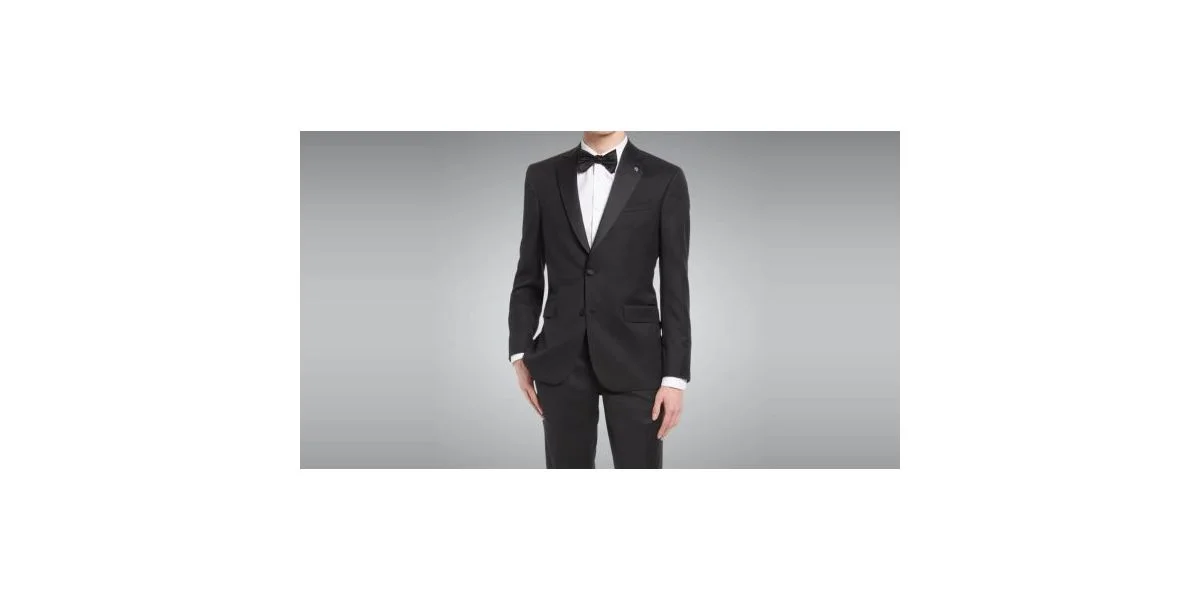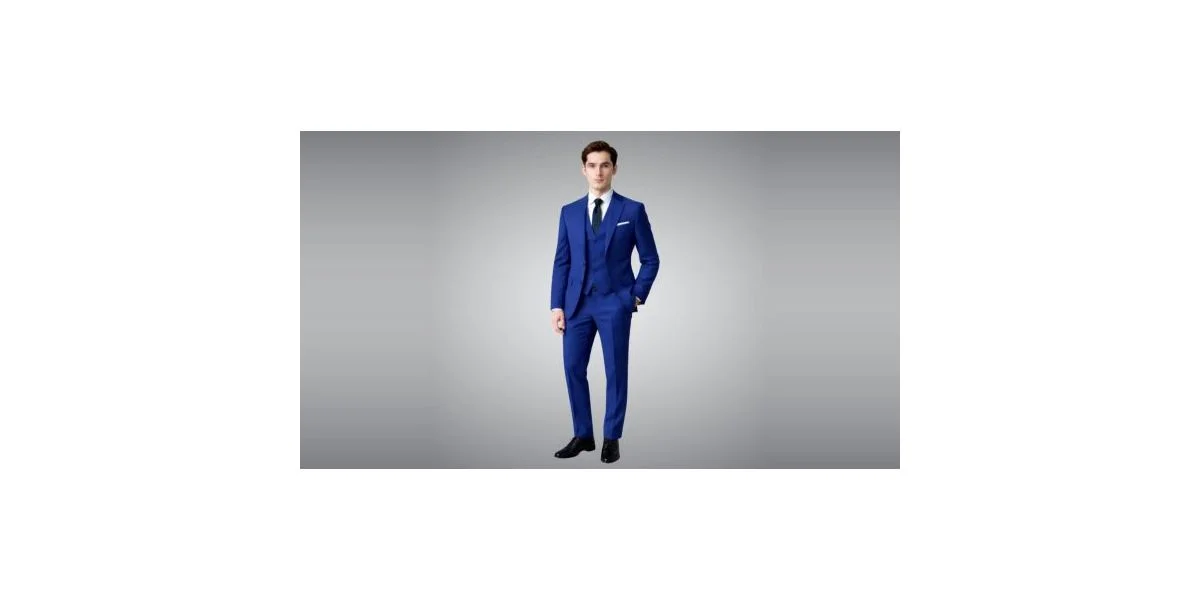
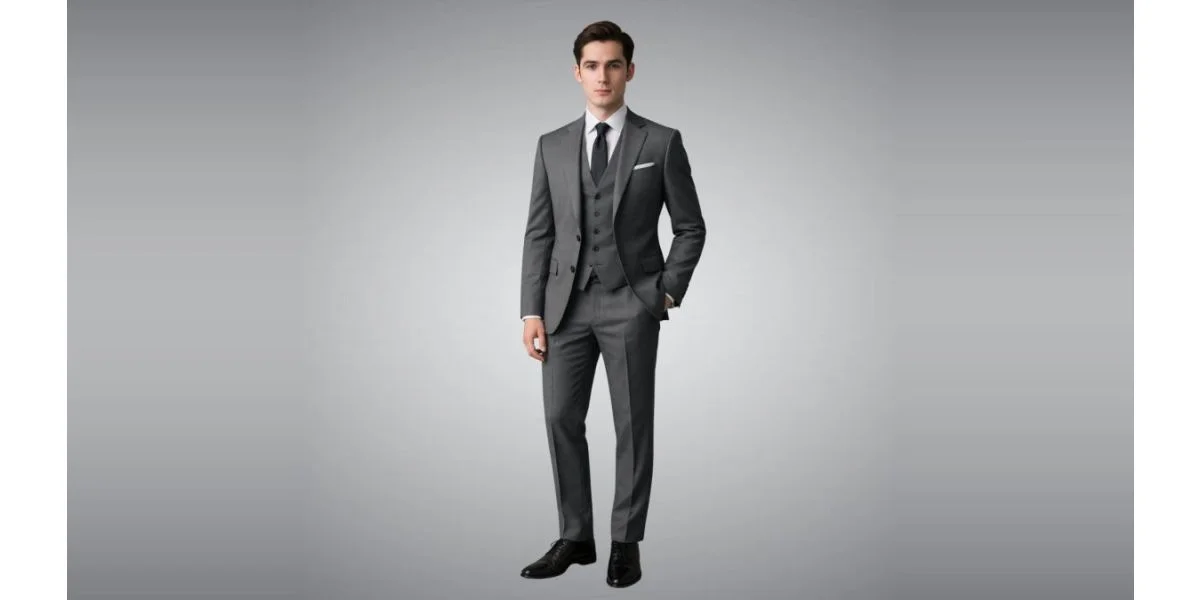
For a Great Gatsby party, men should wear either a 1920s evening look (a black or white dinner jacket tuxedo with a wing collar shirt and a bow tie) or a 1920s daytime look (a three-piece suit with a waistcoat, a white shirt, a patterned tie and a pocket square). Add two or three period details, such as a pocket square folded flat, slicked-back hair or two-tone shoes, and stop there, so the outfit looks styled rather than like a rented costume.
First, read the invitation
"Gatsby party" covers two different events. An evening gala, a New Year's Eve party or a 1920s-themed wedding calls for the evening look, because the novel's famous parties are night-time affairs. A garden party, an afternoon brunch or a daytime birthday calls for the lighter daytime look. If the invitation says "black tie" alongside the theme, wear a tuxedo and let the details carry the period.
The 1920s pieces and their modern equivalents
Use this checklist to build the outfit. You don't need every row; pick the core pieces for your look and two or three of the accents.
| 1920s piece | Modern equivalent | Evening or day | Core or accent |
|---|---|---|---|
| Dinner jacket (tuxedo) with peak or shawl lapels | A black tuxedo, or an ivory dinner jacket for a summer party | Evening | Core |
| Three-piece lounge suit in gray, brown or a pattern | A three-piece suit in gray, brown or a check, with a matching waistcoat | Day | Core |
| Waistcoat | A matching or contrast waistcoat, kept buttoned all evening | Both | Core |
| Detachable wing collar shirt | A wing collar tuxedo shirt | Evening | Core |
| Rounded club collar or pinned collar | A club collar dress shirt, or a spread collar with a collar bar | Day | Accent |
| Bow tie | A black self-tie bow tie; white only if the event is white tie | Evening | Core |
| Wide patterned necktie | A striped or geometric silk tie with a substantial knot | Day | Core |
| Pocket square in a flat or points fold | A white pocket square, presidential or one-point fold | Both | Accent |
| High-waisted, wide-leg trousers | Trousers worn at the natural waist with a fuller leg, no low rise | Both | Core |
| Braces (suspenders) | Button-on braces, hidden under a waistcoat | Both | Accent |
| Two-tone spectator shoes | Two-tone brogues, or plain black or brown oxfords | Day | Accent |
| Patent evening shoes | Polished black oxfords | Evening | Core |
| Fedora, boater or flat cap | A fedora for evening or town, a straw boater for a garden party | Both | Accent |
| Pocket watch and chain | A watch chain across the waistcoat, or a slim dress watch | Both | Accent |
| Slicked-back, side-parted hair | Pomade and a hard side part | Both | Accent |
Building the evening look
- Jacket: a black tuxedo with peak lapels is the most period-correct option. In summer, an ivory dinner jacket with black trousers is the classic warm-weather alternative; our white dinner jacket guide explains when it fits.
- Shirt: a wing collar tuxedo shirt is the single most effective 1920s detail. The pointed collar tips sit behind the bow tie, exactly as in period photos.
- Waistcoat: a low-cut black evening waistcoat. The three-piece look is very much of the era; see our three-piece tuxedo guide for fit and buttoning.
- Bow tie: black. A self-tie bow tie looks more authentic than a perfectly symmetrical pre-tied one.
- Finish: a white pocket square folded flat, polished black shoes and, if the party is theatrical, a fedora left at the door.
Building the daytime look
- Suit: a three-piece in mid gray, brown or a subtle check. Light colors suit garden parties.
- Shirt: white or a pale stripe, ideally with a rounded club collar.
- Tie: a bold stripe or geometric pattern; the 1920s were not shy with ties.
- Shoes: two-tone brogues if you own them, or brown oxfords with a gray or brown suit.
- Accents: a boater hat, a pocket square with a one-point fold, braces under the waistcoat.
What to avoid
- Costume-shop pinstripes with a white tie and black shirt. That is a 1930s gangster cliché, a different film entirely.
- Every accessory at once. Hat, cane, watch chain, spats and suspenders together look like fancy dress. Two or three details are plenty.
- Low-rise slim trousers. The 1920s silhouette sits at the natural waist, and a waistcoat over low-rise trousers leaves a gap.
- A shiny, ill-fitting suit. A good fit is what makes a period look convincing.
Pieces we make for it
Our three-piece gray suit covers the daytime look, and the waistcoats collection lets you add a waistcoat to a suit you already own. For the evening look, start with a tuxedo and a wing collar shirt; our party and celebration outfits collect the styles that suit themed events. Everything is made to order in a standard size or to your measurements in 2–3 weeks, or in 7–10 days with a rush order, so order early if the party date is fixed. Hats, braces and two-tone shoes aren't in our range; any good menswear or vintage shop will have them.
Questions
What did Gatsby himself wear?
In the novel, Gatsby is known for flashy suits, most famously a pink one, and for his collection of fine shirts. For a party, a pale suit with a waistcoat nods to him without copying a film costume.
Is a tuxedo too much for a Gatsby party?
Not for an evening party. A tuxedo with a wing collar shirt is probably the most accurate 1920s evening look there is. For a daytime event, a three-piece suit is the better fit.
Do I need a hat?
No. A hat is the most recognizable accent, but it comes off indoors. If you skip it, let the wing collar or a waistcoat carry the theme.