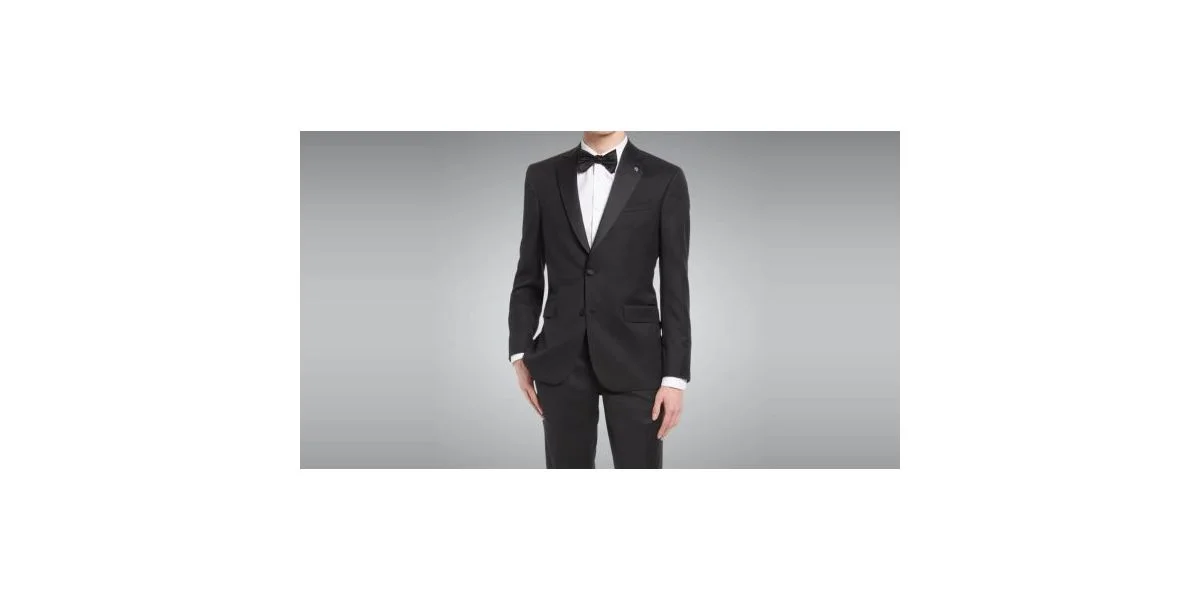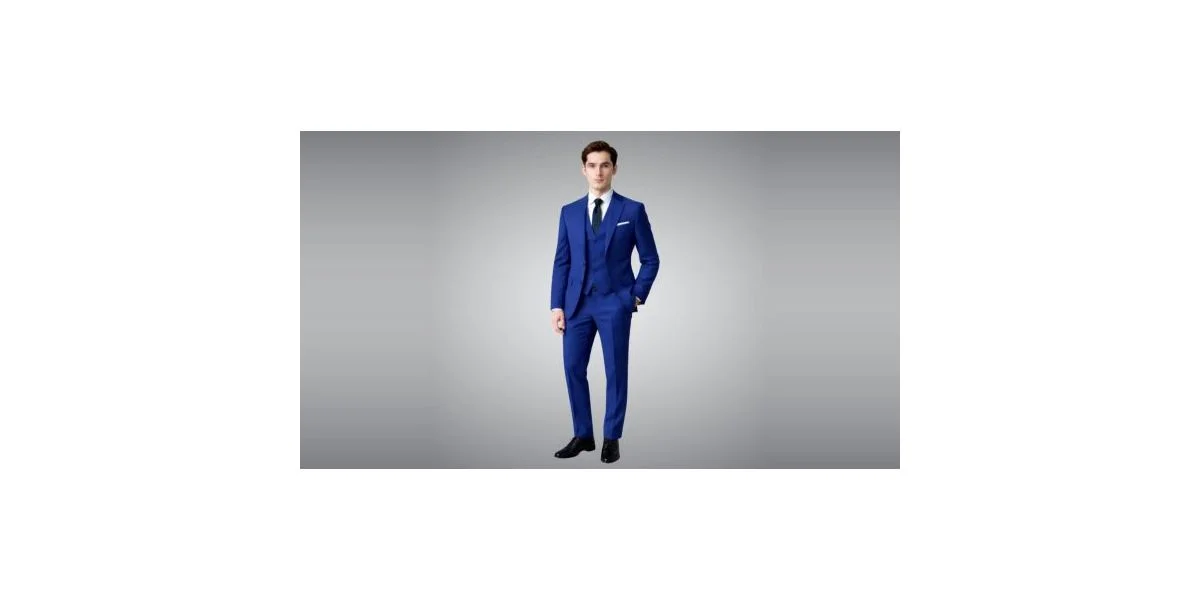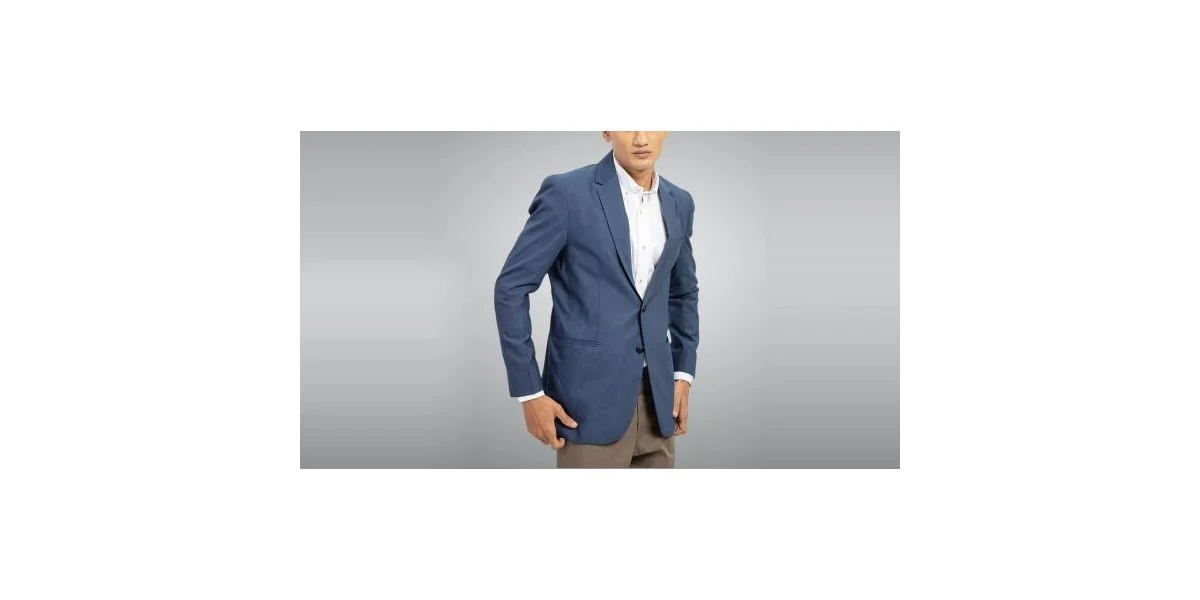
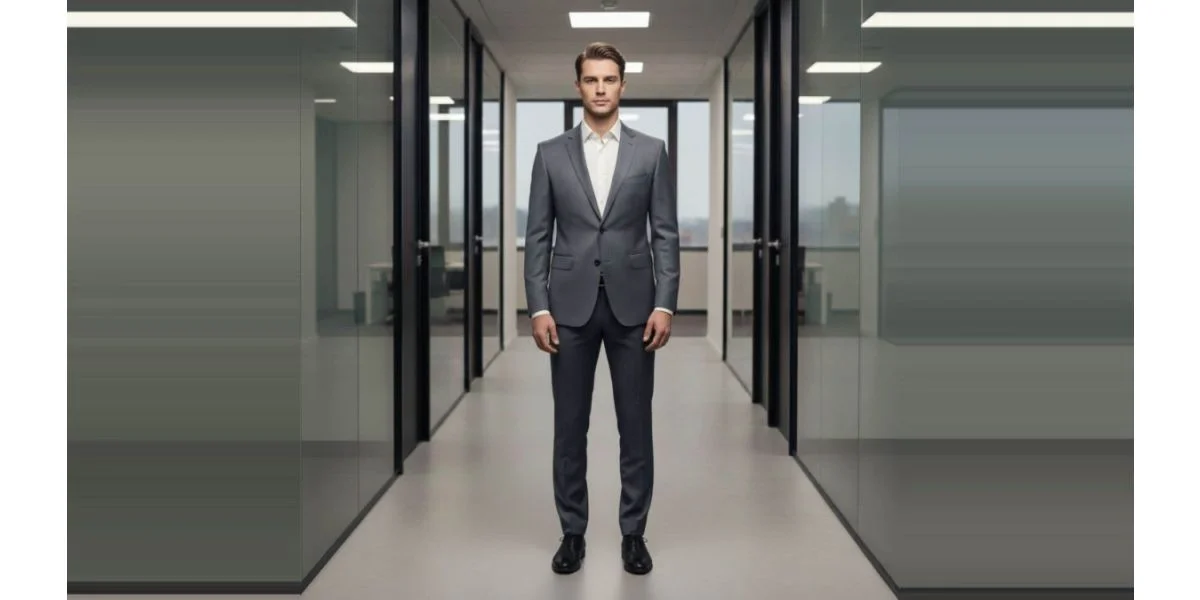
For most job interviews, wear a navy or charcoal two-piece suit, a white or light blue shirt, a plain tie and polished black or dark brown shoes. Then adjust by industry: a full suit is still expected in finance and law, while in tech, creative and trades roles a suit can be optional, and a well-fitting jacket with smart trousers may suit the room better.
How the suit fits matters more than what it cost. Interviewers notice sleeves that are too long, a jacket that pulls at the button or trousers bunched at the ankle long before they notice the fabric.
How formal to go, by industry
| Industry | How formal | What to wear | Watch out for |
|---|---|---|---|
| Finance, banking, insurance | Very formal | Navy or charcoal suit, white shirt, conservative tie, black oxfords | Bold patterns, brown shoes with charcoal, no tie |
| Law and consulting | Very formal | Dark suit, white or light blue shirt, plain tie | Fashion-led cuts that look too slim or short |
| Corporate and management roles | Formal | Navy, charcoal or mid grey suit, tie | Over-styling with a bright pocket square |
| Sales and client-facing roles | Formal to smart | Suit and tie; dress at the level of the clients you would meet | Looking more casual than the clients |
| Government and public sector | Formal | Dark suit, tie | Anything that looks flashy |
| Healthcare (administrative and senior roles) | Formal to smart | Suit, or jacket and trousers with a tie | Strong cologne in clinical settings |
| Tech and startups | Smart casual to smart | Unstructured jacket or a suit without a tie; clean shirt | A three-piece suit that looks out of step with the team |
| Creative, media and design | Smart, with personality | A mid-tone suit or a jacket and trousers that show some style | Looking corporate and stiff |
| Skilled trades and site roles | Smart | Clean trousers, collared shirt, jacket optional | A full suit for a site visit or practical test |
| Hospitality and retail management | Smart | Suit or jacket and trousers, tie optional; match the brand | Ignoring the brand's own dress style |
When in doubt, ask the recruiter or the person who arranged the interview. "What do people usually wear to interviews with you?" is a normal question and a useful one.
Navy or charcoal?
Both are correct. Navy looks a little warmer and more approachable; charcoal looks a little more serious and senior. If you only own one suit, navy is slightly more versatile for interviews and the events that follow a new job. Avoid black for daytime interviews; it can look like evening or funeral wear. Our men's business suit is cut for professional settings, and it pairs with a white or light blue shirt and a plain tie.
A fit check before the interview
Put the full outfit on at least two days before, so there is time to fix anything. Check these in a mirror:
- Shoulders: the shoulder seam ends where your shoulder does, with no dent or overhang.
- Button: the jacket fastens without an X-shaped pull across the front.
- Sleeves: about half an inch of shirt cuff shows below the jacket sleeve.
- Collar: the jacket collar rests against the shirt collar with no gap at the back of the neck.
- Length: the jacket covers your seat.
- Trousers: they sit at the waist without a belt pulling them up and touch the top of the shoe with a slight break or none.
- Sitting test: sit down as you would in the interview. The jacket should open cleanly and the trousers should not ride halfway up your shin.
Our guide to how a suit should fit goes deeper on each point, and the suit size guide helps if you are buying in a standard size.
Video interviews
On camera, only the top half shows, but wear the full outfit anyway: it changes how you sit and speak, and you may need to stand up. Plain colors work better than fine patterns, which can flicker on screen. A light blue shirt looks less harsh under a webcam than bright white. Sit with the camera at eye level and the jacket buttoned or neatly open.
Buying a suit for an interview
If you need a new suit, choose a plain navy or charcoal from our suit collection. Each suit is made to order in our own workshop, either in a standard size or to your measurements, and a tailor checks every set of measurements before cutting. Our size guide shows how to take them.
Plan around the timeline: 2–3 weeks to make, then 4–6 working days for express shipping. If the interview is sooner, a rush order is made in 7–10 days. If the fit is off when it arrives, our fit promise covers a free remake or up to $100 towards a local tailor.
Questions
Should I wear a suit to a tech interview?
Many tech companies do not expect one, and a suit is rarely held against you. A good middle ground is a suit worn without a tie, or a jacket with smart trousers. Check the company's own photos or ask the recruiter.
Is it OK to wear a suit without a tie to an interview?
In tech, creative and many smaller companies, yes. In finance, law, government and senior corporate roles, wear the tie.
Can I wear the same suit to a second interview?
Yes. Change the shirt and tie so it does not look identical, and make sure the suit is freshly pressed.