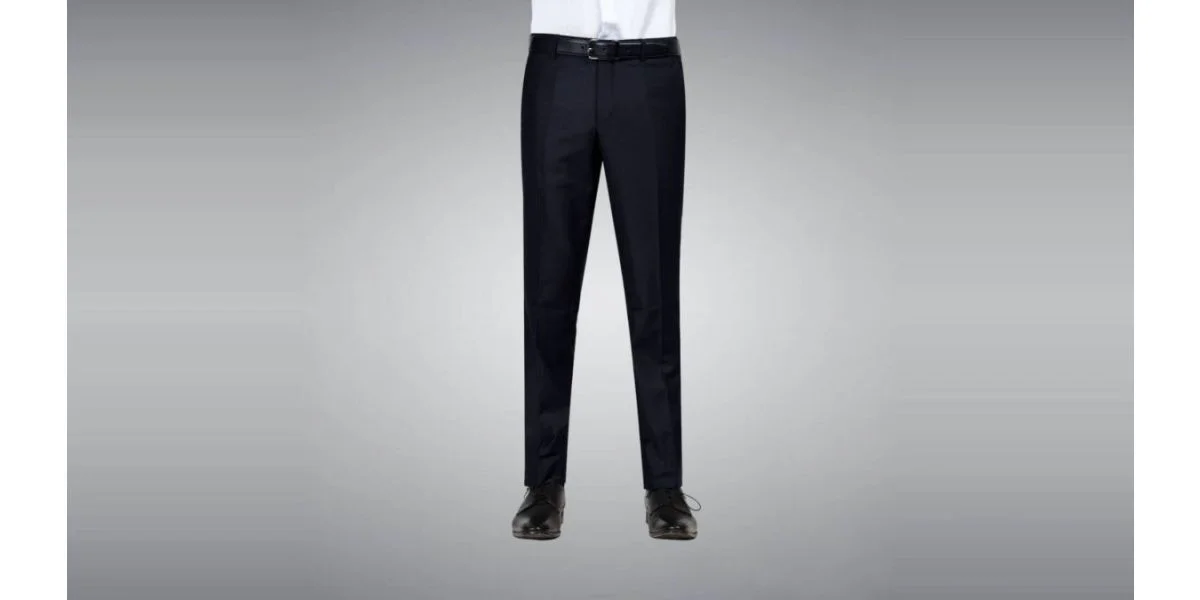
Trouser break is the fold or dent in the front of the trouser leg where the hem rests on your shoe. No break means the hem just touches the shoe, a slight (quarter) break makes a small dimple, a half break a clear single fold, and a full break a deep fold that covers most of the laces. For most suits and tuxedos today, a slight break is the safest choice.
The four breaks
- No break: the hem grazes the top of the shoe with no fold. Clean and modern; shows sock when you walk or sit.
- Slight break: a gentle dimple at the front. Works with almost every suit and every height.
- Half (medium) break: one definite fold; the traditional business standard.
- Full break: a deep fold or two, hem covering much of the shoe. Conservative, and easily looks sloppy on slim trousers.
Break by height and occasion
| Break | Shorter men | Average height | Tall men | Occasions |
|---|---|---|---|---|
| No break | Good: an unbroken line adds height | Good with slim trousers | Can look short; prefer slight | Prom, parties, summer and daytime weddings, fashion-forward suits |
| Slight | Very good | Very good | Very good | Weddings, black tie, work, interviews: the all-rounder |
| Half | Acceptable, can shorten the leg | Good | Good: breaks up a long leg | Business suits, conservative offices, wider trousers |
| Full | Avoid | Only with wide, classic trousers | Acceptable with classic cuts | Traditional business wear; rarely right for formal events |
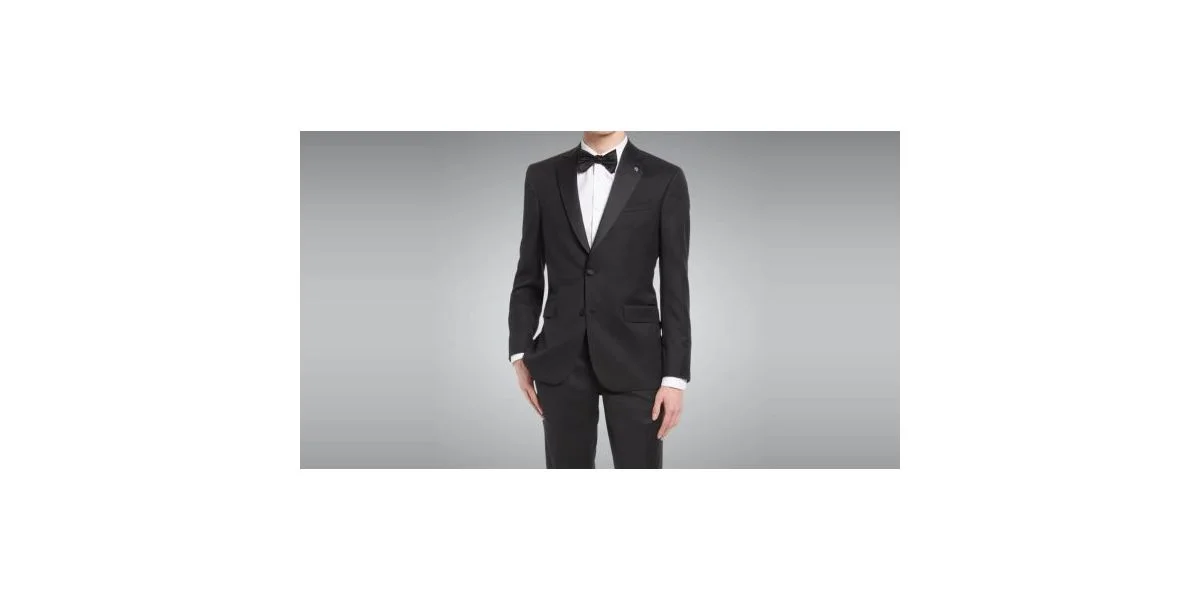
Black tie leans toward little or no break: tuxedo trousers are traditionally plain-hemmed and cut so the satin stripe falls in an unbroken line. Turn-ups (cuffs) are a daytime and business detail and are not worn with a tuxedo.
Leg opening decides how much break you can have
Break and leg width work together. A narrow leg opening has nowhere to fold, so a long hem bunches into several creases instead of one clean break; narrow trousers need no break or a slight one. A wide leg opening hangs straight and can carry a half or full break, but with no break it looks as if the trousers are too short. When you pick a break, check it suits the leg you are wearing.
Turn-ups and break
Turn-ups add weight to the hem, which helps trousers hang straight. They look best with a slight or no break; a deep break with turn-ups looks heavy.
Inseam, outseam and where the hem ends
Your inseam (crotch to hem) and outseam (waistband to hem) are both measured to the point where you want the hem to finish, so that point is your break. To get a slight break, measure to where the hem should rest at the front of your shoe, wearing the shoes you will wear. For no break, stop a little higher; for a half break, a little lower. Our measuring guide covers how to take both measurements, and our inseam tips cover the common mistakes.
Two practical points:
- Heel height matters. Measure in dress shoes, not sneakers or bare feet.
- The back of the hem hangs lower than the front. Many tailors angle the hem slightly so the back covers more of the heel; that is why the front shows a break and the back sits close to the shoe.
Checking the break in a mirror
Stand straight in your dress shoes, feet together, and look at the front of the trouser leg from the side. Count the folds. One small dimple just above the shoe is a slight break; a single clear fold is a half break; two folds or a hem resting on the laces is a full break. Then walk a few steps toward the mirror: the hem should move with the shoe without flapping, and you should see little or no sock with each step. If the trousers pool at the ankle when you stand still, they are too long for the leg opening, whatever the label says.
Ordering trousers with the break you want
Every made-to-measure order asks for Inseam, Outseam and Leg Opening, which together set length and width. Design Your Own Trousers also lets you choose a plain hem or turn-ups, pleats and the waistband. For finished styles, see our dress trousers.
If the length comes out wrong, a hem is one of the easiest things to fix. Shortening is simple, and our alterations guide explains when lengthening is possible. On orders from us, the fit promise covers it: tell us within 30 days of delivery and we pay up to $100 towards a local tailor.
Questions
What break is best for a wedding suit?
A slight break. It looks clean in photos, works with any shoe and stays tidy when you walk and dance.
Should my trousers touch my shoes?
Yes, at least lightly at the front, unless you are deliberately wearing a cropped, no-break style. A gap between hem and shoe when standing reads as trousers that are too short.
Does trouser break change with sitting?
Trousers always ride up when you sit, more so with no break. That is normal; judge the break standing.